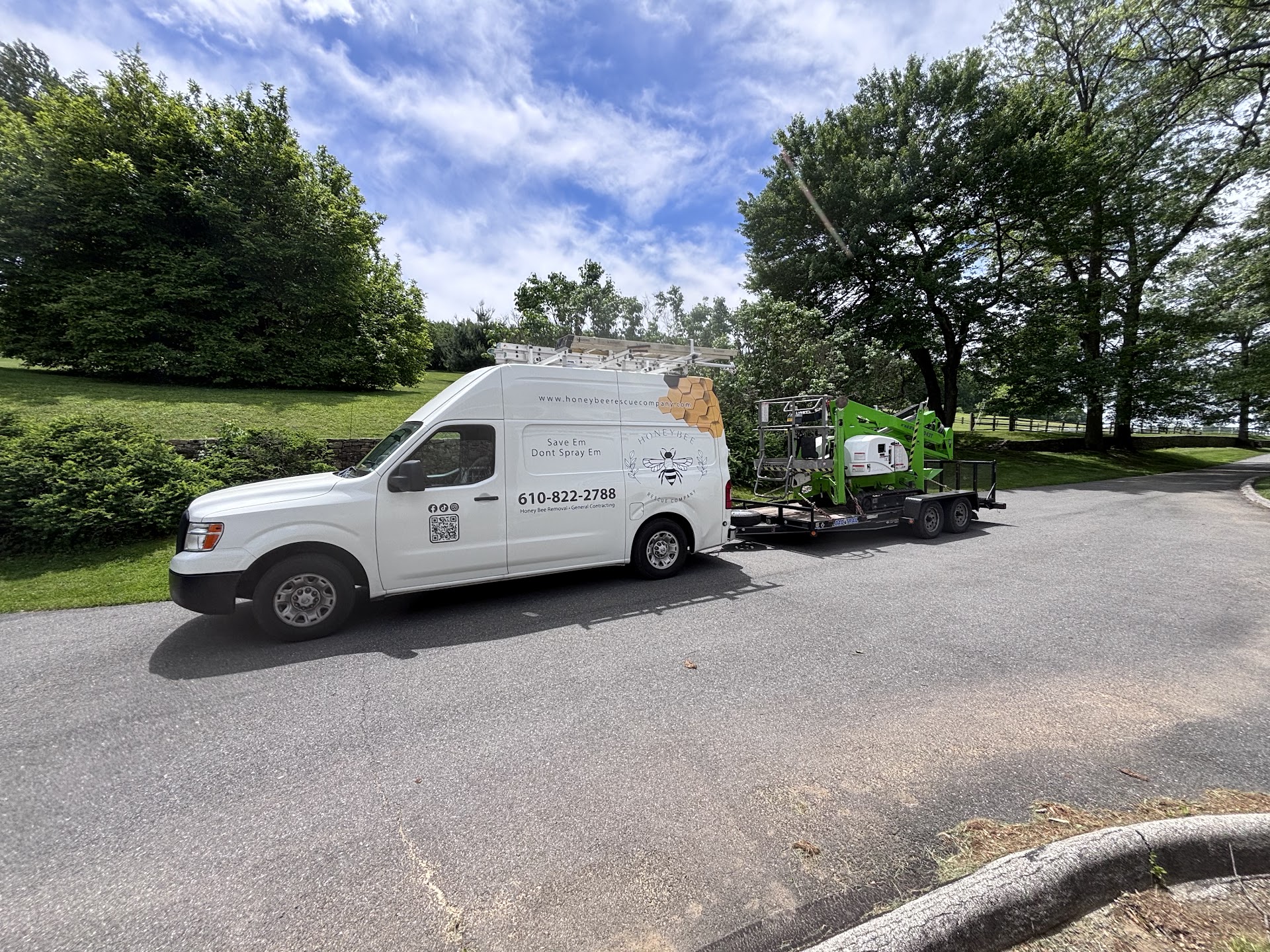
Where Bees are Moved After Live Relocation in Gilbertsville
Find out where local honeybees go after a successful, safe relocation.
The Short Answer
After live relocation in Gilbertsville, honeybees are transported to secure, registered local apiaries. They are placed in quarantine hives to inspect for diseases like American Foulbrood, fed if needed, and slowly rehabilitated. Once stable, the colonies are integrated into managed yards where they pollinate Pennsylvania crops, produce honey, and contribute safely to Montgomery County's agricultural ecosystem.
When a swarm of honeybees settles inside your attic, wall cavity, or soffit, it can feel like a direct threat to your home. Many property owners in Montgomery County feel overwhelmed when confronted with thousands of unexpected buzzing insects. While some people might immediately think of calling traditional exterminators, a growing number of Gilbertsville residents seek eco-friendly alternatives. Knowing what happens to the colony after an extraction helps explain why live removal is a preferred choice for both your property and the environment. Safely extracting these pollinators and transitioning them to a secure environment is the core focus of our live bee removal in Gilbertsville processes. Instead of spraying toxic chemicals that leave thousands of dead bees rotting inside your walls, we focus on preserving the colony and repairing your home. Once the bees leave your property in our transport boxes, they begin a highly regulated journey of rehabilitation, disease screening, and local agricultural integration.
The First Hours: Safe Extraction and the Three-Mile Navigation Rule
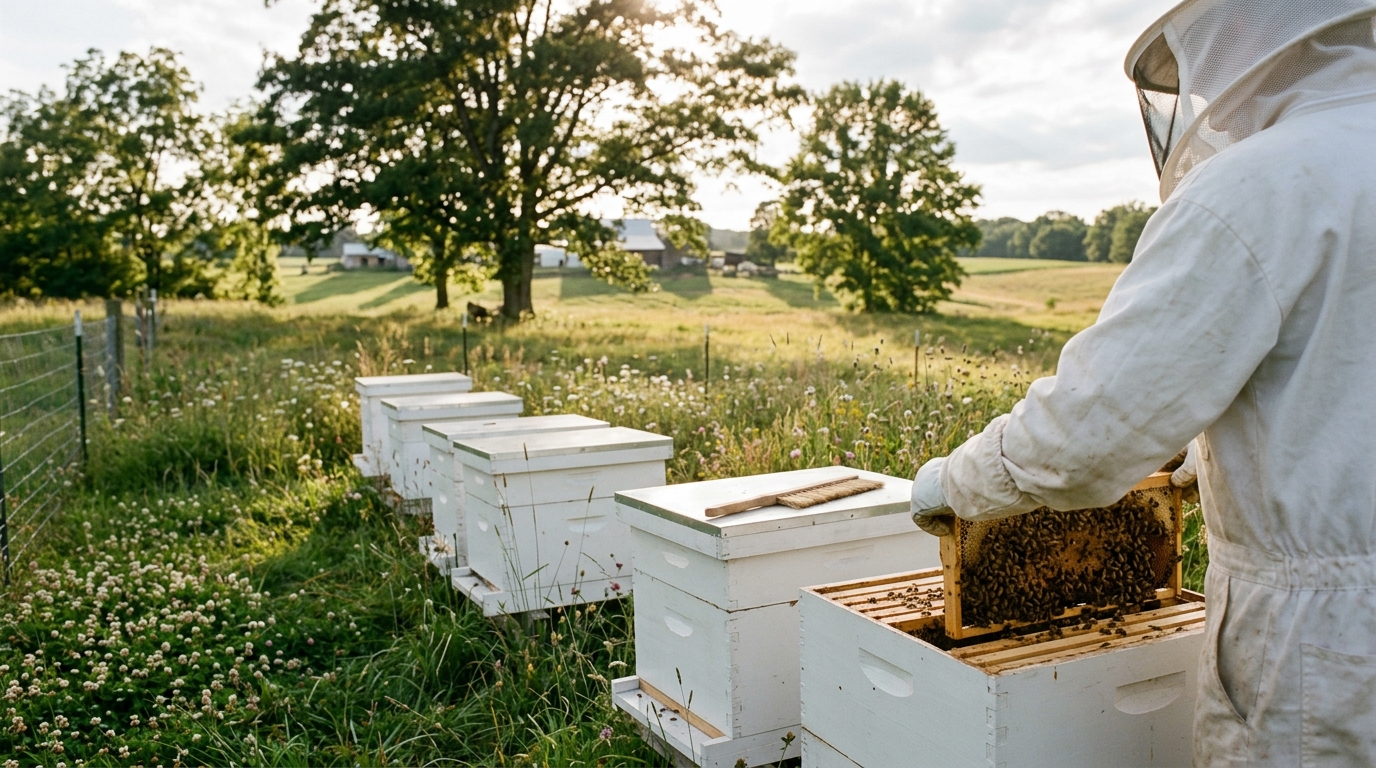
Extracting a mature honeybee colony from a structural wall requires precise technique and specialized equipment. We use specialized bee vacuums that gently draw the worker bees into highly ventilated capture boxes without causing physical harm. Identifying and securing the queen is a critical step of this process. The worker bees are biologically hardwired to follow her scent, so once she is safely secured in a clip inside the transport box, the rest of the hive naturally aggregates around her.
Once we secure the entire colony, the physical relocation must happen immediately. Honeybees possess an extraordinary navigation system based on the angle of the sun and local landmarks. If we release the bees too close to their original home, the foragers will instantly fly back to your house, searching for their familiar nesting site. Because they cannot get back inside the sealed structure, these confused foragers will pile up on your siding and eventually perish.
To prevent this, we adhere to the strict beekeeping rule of moving colonies at least three miles away from their extraction point. Moving them beyond their familiar forage radius forces the bees to reset their internal compasses. When they emerge from the hive in their new location, they perform orientation flights, circling the new hive in widening loops to memorize their new surroundings rather than trying to fly back to your Gilbertsville home.
Meeting PA Bee Law Standards and Quarantine Inspections
We do not simply dump wild bee colonies into our active apiaries immediately. Introducing unscreened, wild honeybees into an established yard is incredibly risky. Wild colonies often carry parasitic Varroa mites, hive beetles, or deadly bacterial infections that can quickly spread and wipe out an entire beekeeping operation.
According to the Pennsylvania Department of Agriculture and the PA State Beekeepers Association, keeping bees in the Commonwealth is a highly regulated activity. The PA Bee Law of 1994 requires all apiary sites to be registered and subjected to state health inspections—though requirements vary by municipality, so confirm with your local building department. This law was enacted to control devastating diseases like American Foulbrood, a highly contagious spore-forming bacterium that destroys bee larvae. While these regulations apply across Pennsylvania, check with local Montgomery County and Gilbertsville zoning departments as local municipal ordinances on backyard beehives can vary.
To comply with state regulations and protect the local bee population, our team places every rescued colony into a temporary quarantine yard. During this quarantine period, we closely monitor the hive's health. We inspect the comb for signs of disease, check the mite load, and treat the colony with bee-safe therapies if necessary. This careful screening ensures that every colony we rehabilitate is entirely healthy before they are introduced near other hives. At Honeybee Rescue Company, we are dedicated to the ethical, hands-on rescue and rehabilitation of honeybees, maintaining these strict biosecurity protocols with every single job.
Rebuilding and Rehabilitation in Gilbertsville Apiaries
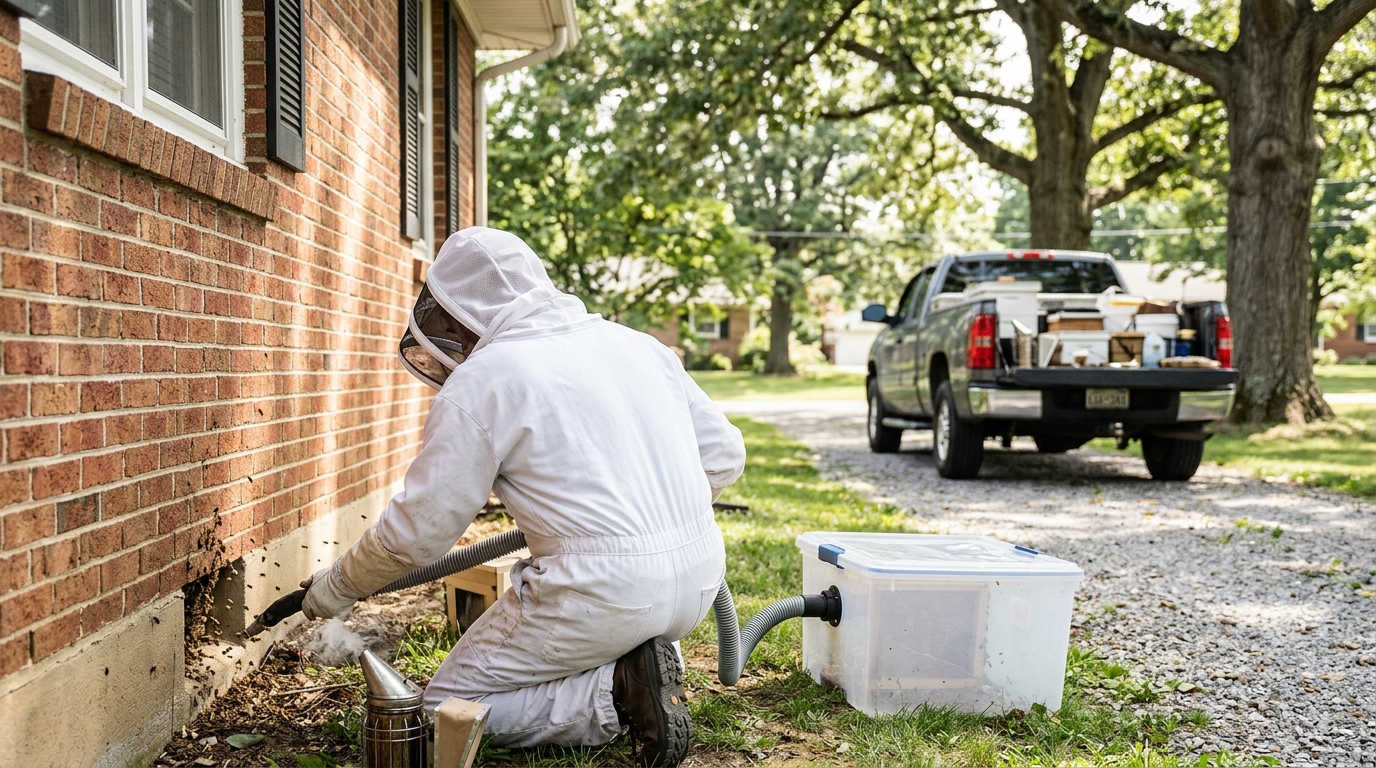
A rescued bee colony is essentially starting from scratch. When bees are removed from a wall cavity, they lose their entire infrastructure, including their wax comb, stored pollen, and honey reserves. Without immediate help, a newly relocated colony would starve.
During their initial weeks in our Gilbertsville apiary, we provide intensive care to help them rebuild. We feed the colony a clean, high-purity sugar-water syrup. This syrup gives the bees the massive amount of energy they need to secrete liquid wax from their glands and build new comb inside their modern Langstroth hives.
We also verify the queen's performance. Extraction can be highly stressful for a queen, and occasionally, she may fail to lay eggs or survive the move. If we notice the colony is queenless during our check-ups, we introduce a new, healthy queen from a gentle, locally adapted genetic line. This prevents the remaining workers from laying infertile eggs and ensures the survival of the colony. Because we focus on live relocation, we perform every rescue as a dedicated bee relocation service in Gilbertsville, so the colony remains intact, stabilized, and fully supported throughout this transition.
Beyond Extraction: Why Total Honeycomb Removal and Home Restoration Matter
Many homeowners in Montgomery County contact us after dealing with an unidentified buzzing pest in their walls. Often, they are unsure whether they have a honeybee colony or an aggressive yellow jacket infestation. Correct identification is essential, as yellow jackets require entirely different handling and cannot be relocated like honeybees.
If we confirm that you have honeybees, the extraction process must involve complete honeycomb removal. Some pest control companies might offer to simply spray the bees and leave, but this is a major mistake. Leaving hundreds of pounds of abandoned wax and honey inside a wall cavity will cause severe structural damage. Without the bees to constantly fan and cool the hive, the summer heat will cause the wax to melt. Honey will seep through your drywall, staining your ceilings and attracting secondary pests like mice, rats, ants, and opportunistic wasps.
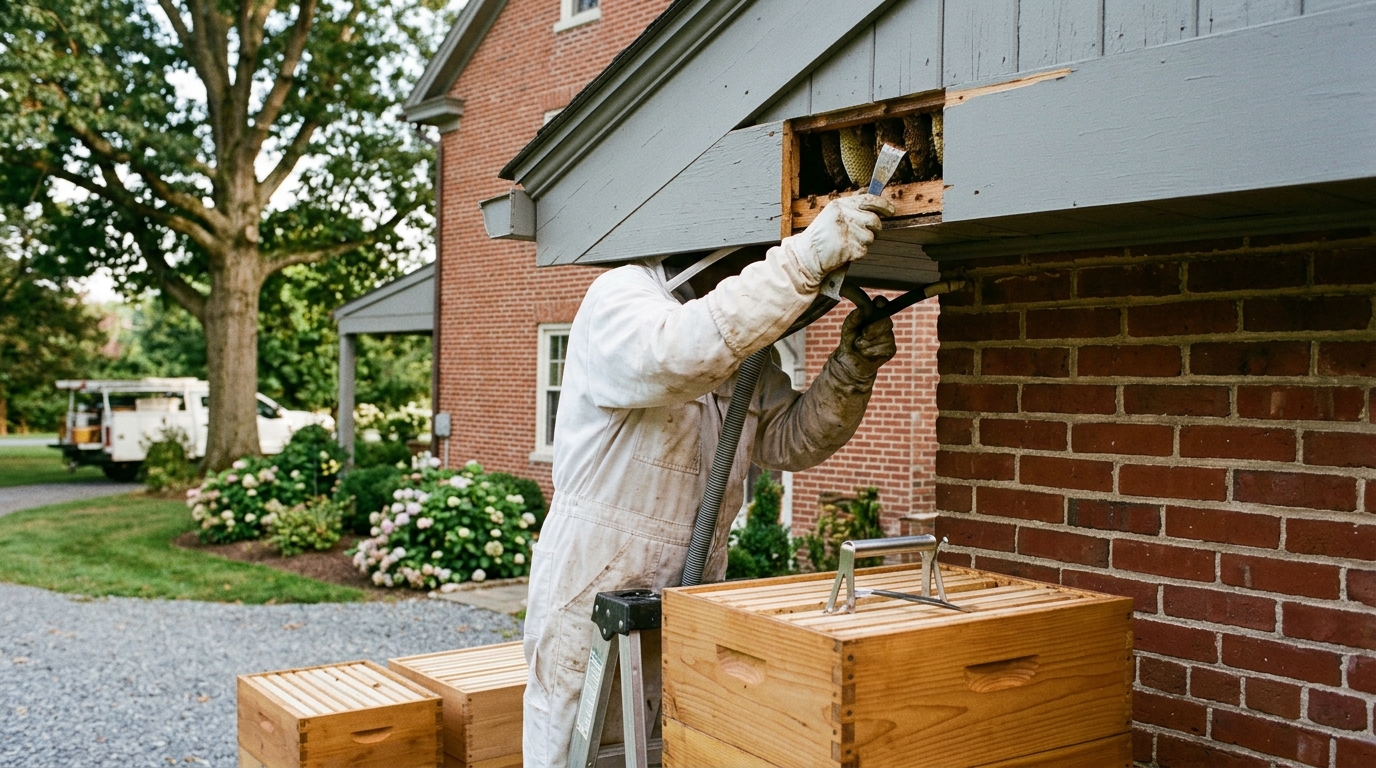
This is where our comprehensive home restoration expertise plays a significant role. We are not just bee handlers; we are licensed contractors. As registered contractors in Pennsylvania, we handle the delicate process of cutting into drywall or siding to access the nest, extracting the entire colony, cleaning out all sticky residue, and rebuilding the wall structure ourselves. This means you do not have to hire separate carpenters or drywall specialists to repair the openings we make to save the bees.
Supporting Pennsylvania Agriculture and Local Ecosystems
Once our rescued bees have successfully passed quarantine, built strong new combs, and established a healthy brood pattern, they are integrated into our permanent apiaries. These rehabilitated colonies play an essential role in supporting local agriculture in Montgomery County and surrounding regions.
Rehabilitated honeybees pollinate local farms, backyard vegetable gardens, and fruit trees. The honey they produce is sustainably harvested and sold to local residents, alongside handmade beeswax products. This cycle of rescue, rehabilitation, and local production keeps the Gilbertsville ecosystem healthy without relying on harsh chemical treatments. Our family-owned business operates with a deep respect for these insects, ensuring they find a productive, permanent home where they can continue their essential work.
If you suspect you have an active hive or a colony of stinging insects nesting in your home, please do not spray them. Reach out to us to schedule an on-site consultation. We will identify the species, explain our extraction plan, and provide a clear quote for the removal and restoration work needed to protect your home.
Common Questions
Frequently Asked Questions
Ready To Start?
Get Your Quote Today
Get a quote from Honeybee Rescue Company — serving Gilbertsville and surrounding areas.