Wall and Structural Repair After Honeybee Hive Removal in Gilbertsville PA
Complete wall restoration, cleanup, and structural repair after honeybee cut-outs in Gilbertsville.
The Short Answer
To repair a wall after honeybee removal in Gilbertsville, you must clean out all honey, wax, and debris, deodorize and seal the cavity to prevent future infestations, and patch the cut-out section. Aesthetic repairs like drywall patching are ordinary repairs, but structural work requires following local guidelines. Homeowners should consult local building officials or a professional contractor to secure necessary permits.
Discovering a massive wild honeybee hive inside your home's exterior walls is a stressful ordeal for any Montgomery County homeowner. After we successfully cut into the drywall or siding to relocate the colony, you are left with an open, exposed wall cavity that requires immediate attention before the next Pennsylvania winter. Failing to address this opening properly can lead to persistent drafts, structural instability, and secondary pest infestations from creatures looking for a warm place to nest.
Why Immediate Reconstruction Matters After Hive Extraction
An active honeybee colony is a complex biological system. The bees actively maintain the temperature and humidity of their hive by fanning their wings. When we perform a live extraction, we remove this biological climate control system. If you leave the cavity open or simply cover it up without proper structural restoration, you expose your home to major structural issues. Our experience shows that structural failures often begin with small, unaddressed entry points that let moisture and cold air seep into the wall framing.
At Honeybee Rescue Company, our partnership is led by co-owners Ty Kelius and Alyssa Kelius, who brought a passion for bee conservation into a professional enterprise. Once the bees are safely out, the physical home must be secured. Leftover materials inside the wall cavity degrade quickly without the colony's maintenance, leading to structural rot that can spread to adjacent framing members over time.

Why Complete Honeycomb and Residue Removal Must Happen First
Before any reconstruction can take place, completing thorough honeycomb removal in Gilbertsville is an absolute necessity. Leaving even small amounts of wax or honey behind will ruin any wall repair effort. Honeycomb is composed of natural beeswax, which is highly stable when the colony is active. Once the bees are removed, the hive loses its natural temperature control, and the wax begins to soften and degrade.
During the hot summer months in southeastern Pennsylvania, temperatures inside a wall cavity can easily exceed 100 degrees Fahrenheit. Without bees to cool the area, the wax melts, causing pounds of raw honey to spill directly down the inside of the wall. This sticky liquid pools on the sill plates and baseboards, soaking into the wood and the back of your drywall. The sugar in the honey quickly ferments, producing a sour, rotting odor that permeates your entire living space. This moisture also creates a breeding ground for black mold, which damages structural studs and poses health risks to your family.
Step-by-Step Reconstruction Process for Hive Openings
Rebuilding a wall after a structural bee removal is more involved than a standard drywall patch. It requires a systematic approach to ensure the wall is as strong, dry, and energy-efficient as it was before the infestation. Our crew follows a detailed reconstruction process to protect your home's value and structural integrity.
1. Cavity Sanitation and Scraping
Once the honeycomb is removed, the interior faces of the studs and exterior sheathing must be scraped completely clean. Bees use propolis, a sticky resin collected from tree buds, to seal cracks and secure their combs. Propolis is incredibly stubborn and requires physical scraping with heavy-duty steel scrapers to remove entirely. Every square inch of the cavity should be cleared of this resin, as well as any leftover honey residue, before proceeding to the next step.
2. Pheromone Scent Masking
Honeybees communicate heavily through chemical signals, leaving behind strong pheromones that mark the cavity as a safe nesting site. If another swarm passes by your Gilbertsville home, they will easily detect these lingering odors and attempt to move into the exact same wall cavity. Standard water-based latex primers cannot block these organic oils. A heavy coat of professional-grade shellac-based or oil-based blocking primer is applied to the entire interior of the cavity. This seals the wood fibers and locks in the pheromones, completely masking the scent from future scouts.
3. Re-Establishing the Insulation and Vapor Barrier
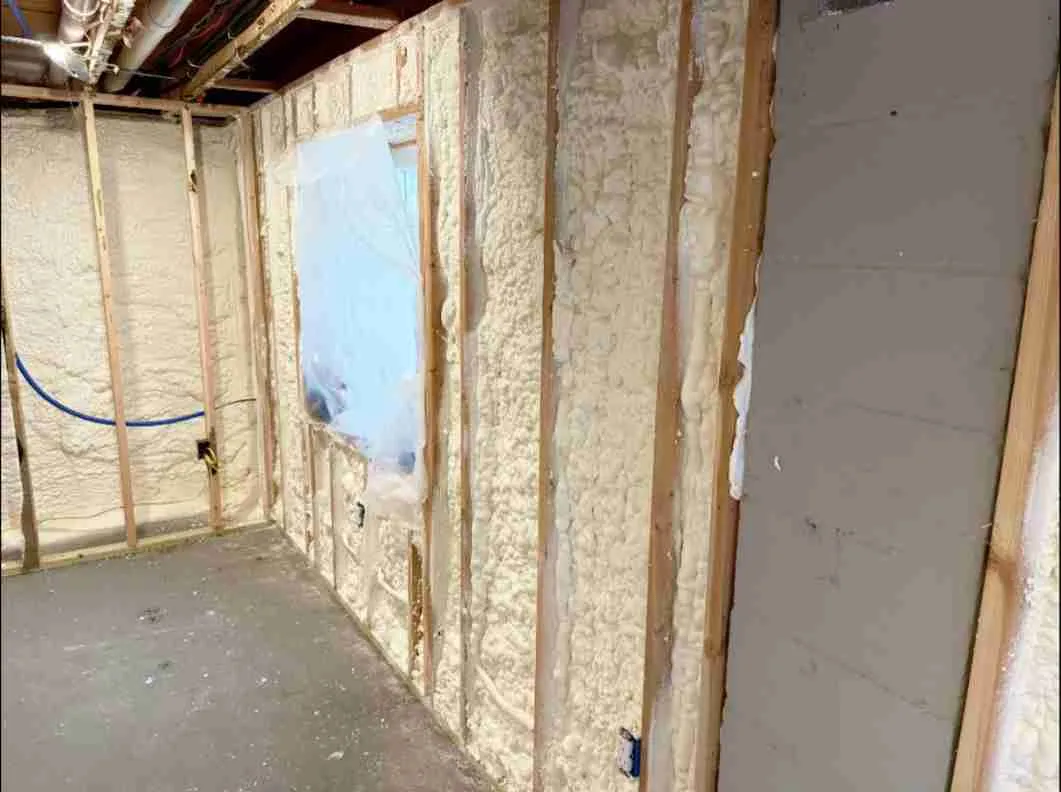
Honeybees often occupy wall cavities where insulation is either missing or has been chewed away. Before sealing the wall, missing or damaged insulation is typically replaced with high-quality fiberglass batts or rockwool to restore the home's thermal envelope. In addition, the interior vapor barrier is carefully taped and sealed. This step is essential for preventing drafts and ice dams during freezing Pennsylvania winters, ensuring your energy bills remain manageable and your indoor temperature stays comfortable.
4. Structural Wood Blocking
To support the new drywall patch, physical wood blocking is installed between the existing studs. SPF framing lumber is cut to fit the dimensions of the cut-out and secured to the studs with heavy-duty structural wood screws. This blocking provides a solid, flat frame to screw the new drywall into, preventing the patch from sagging or cracking along the seams over time. If any studs were damaged or notched during the hive's lifespan, new lumber is sistered alongside the existing studs to fully restore their structural load capacity.
5. Drywall Installation and Finishing
Fresh drywall is cut and installed to match the thickness of surrounding walls, which is typically 1/2-inch for interior walls or 5/8-inch for fire-rated barriers near garages. The panel is secured with drywall screws, paper joint tape is applied to the seams, and multiple thin coats of joint compound are applied. We sand the surface smooth between each coat to ensure a flat finish. After the final sanding, we apply a high-quality primer and two coats of matching paint to blend the repaired area with the rest of the room.

Local Building Codes and Structural Requirements in Douglass Township
When restoring a home after a bee extraction, homeowners must pay close attention to building regulations. Gilbertsville is located within Douglass Township, which administers building permits and code compliance under the Pennsylvania Uniform Construction Code. Under state guidelines, minor aesthetic work like patching small sections of drywall is considered an ordinary repair and does not require a formal building permit—though requirements vary by municipality, so confirm with your local building department. However, if any structural studs are cut, modified, or if load-bearing framing members are compromised during a deep hive cut-out, Douglass Township requires a structural building permit and inspection, though requirements vary by municipality, so confirm with your local building department before relying on this. At Honeybee Rescue Company, we hold license PA#105107 and work closely with local building departments to ensure all our repair and restoration services in Gilbertsville comply with state and local safety standards.
We recommend contacting the Douglass Township building department or your local municipality's code enforcement officer to verify code requirements before starting any structural repairs. Working with a registered, licensed, and insured contractor protects your property value and ensures your home meets all local safety regulations. If your wall is not rebuilt to code, you could face structural failures, electrical issues, or problems when trying to sell your home in the future.
Preventing Secondary Pest Infestations and Weatherproofing
Closing the wall on the inside is only half of the solution. We must also address the exterior entry points that the bees used to access the cavity in the first place. Honeybees are incredibly small and can squeeze through gaps as thin as a quarter-inch. If these exterior entry points are left unsealed, other stinging insects like yellowjackets, wasps, or hornets will quickly take advantage of the pre-made pathway.
A detailed inspection of the home's exterior siding, brickwork, and trim is performed to locate all potential entry points. We use professional-grade sealing materials to close these gaps permanently. For weep holes in brick siding, metal weep hole covers are installed that allow the wall to breathe while preventing pests from entering. For gaps around utility conduits, plumbing pipes, or siding trim, durable exterior silicone caulk and heavy-duty copper mesh are typically applied. Rodents and insects cannot chew through copper mesh, making it an excellent barrier when packed tightly into gaps before caulking.

Choosing a Professional Restoration Contractor
Wall repair after a honeybee removal is a highly specialized task that combines biological knowledge with professional carpentry. General contractors often do not understand the importance of scent masking and pheromone sealing, which leads to repeat infestations. Standard pest control companies often spray the hive and seal the hole, leaving the melting wax and rotting honey inside the wall to cause severe structural rot.
At Honeybee Rescue Company, we have years of experience handling both the humane removal of honeybees and the complete structural repair of the home. As a family-owned and operated business, we treat your home with the same care and respect we would show our own. Our team handles the entire process from start to finish, so you do not have to coordinate between a bee removal service and a separate drywall contractor.
If you have recently had honeybees removed from your home, or if you suspect you have an active hive in your walls, do not wait for the damage to worsen. Contact Honeybee Rescue Company today to schedule a wall inspection and restoration estimate. We will evaluate the structural condition of your walls, ensure all comb and honey have been completely cleared, and provide you with a detailed plan to restore your home to its original, safe condition.
Common Questions
Frequently Asked Questions
Ready To Start?
Get Your Quote Today
Get a quote from Honeybee Rescue Company — serving Gilbertsville and surrounding areas.