How to Safely Remove an In-Ground Bumblebee Nest in Gilbertsville PA
Safe, humane solutions for underground bumblebee colonies in Gilbertsville lawns and gardens.
The Short Answer
Safely removing an in-ground bumblebee nest in Gilbertsville requires nighttime access, full protective gear, and live excavation rather than flooding or over-the-counter sprays. Professionals locate the entrance burrow, carefully dig out the underground wax comb and queen, and transfer the colony into an apiary box for relocation. Soil depth, nest maturity, and yard accessibility determine the project scope and estimate. Never pour gasoline or pesticides into Pennsylvania soils.
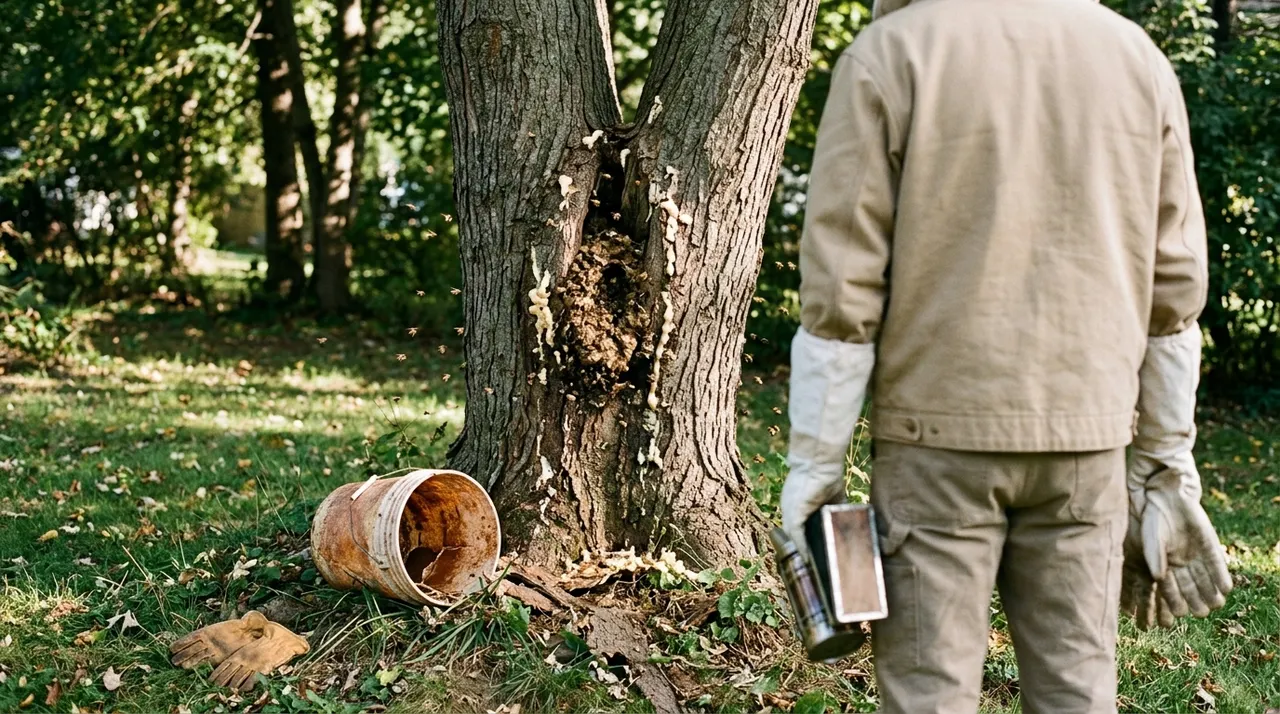
A routine Saturday morning mowing the lawn in Gilbertsville often ends abruptly when the hum of lawn equipment triggers an eruption of buzzing insects from beneath the turf. Vibrations from a mower or foot traffic travel straight down into old rodent tunnels and hollows where native bumblebees establish their colonies. Unlike honeybees that build visible aerial combs in hollow trees or wall cavities, bumblebees frequently set up housekeeping completely out of sight beneath the topsoil. Finding an in-ground bumblebee nest creates an immediate dilemma for homeowners caught between respecting valuable native pollinators and keeping their family safe from painful stings.
Bumblebee or Yellowjacket? Identifying Ground Nesters in Southeastern Pennsylvania
Before taking any action in your yard, you must know exactly what insect you are dealing with. In southeastern Pennsylvania, two completely different stinging insects frequently nest in subterranean burrows: bumblebees and yellowjackets. Confusing the two is common because both take advantage of abandoned chipmunk or mouse holes in lawns and gardens, but their behavior and ecological value could not be more different.
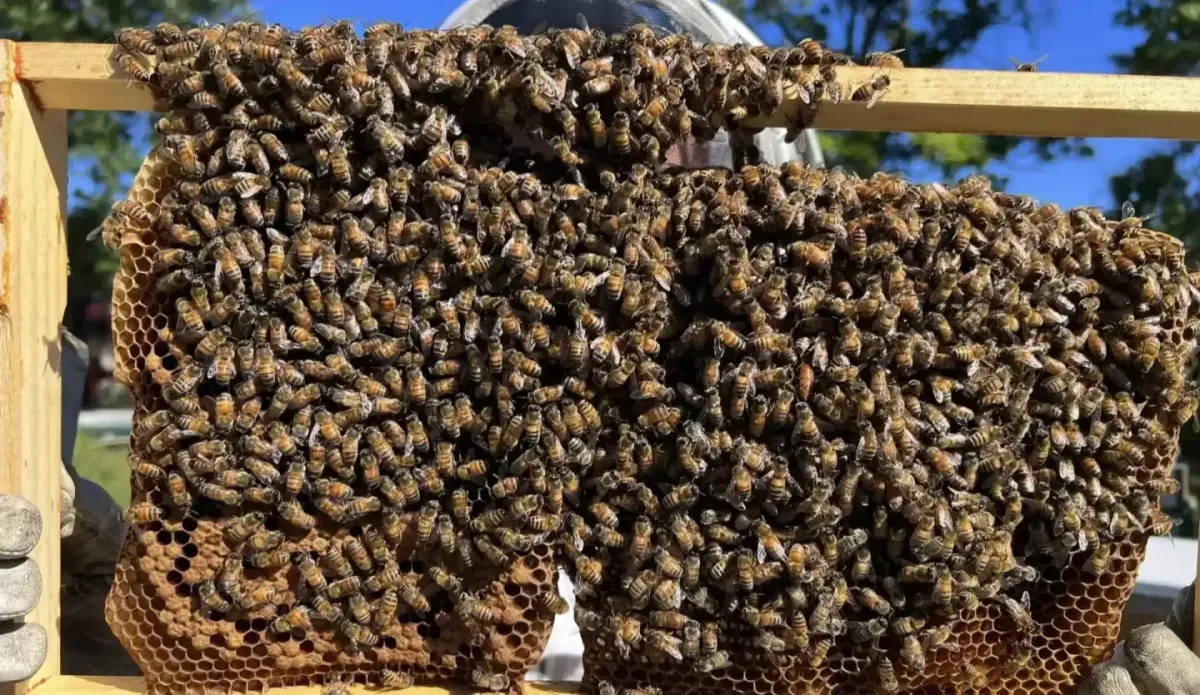
Bumblebees are large, stout insects covered in dense, velvety hair. They display distinctive bands of bright yellow and black across their thorax and abdomen. When they fly in and out of an underground burrow, their flight is steady, deliberate, and relatively calm. According to the Penn State Extension guide to Pennsylvania bumblebees, Pennsylvania is home to numerous native bumblebee species, including the common eastern bumblebee (Bombus impatiens). These native bees are gentle by nature and focus their energy on gathering nectar and pollen from nearby flowering plants.
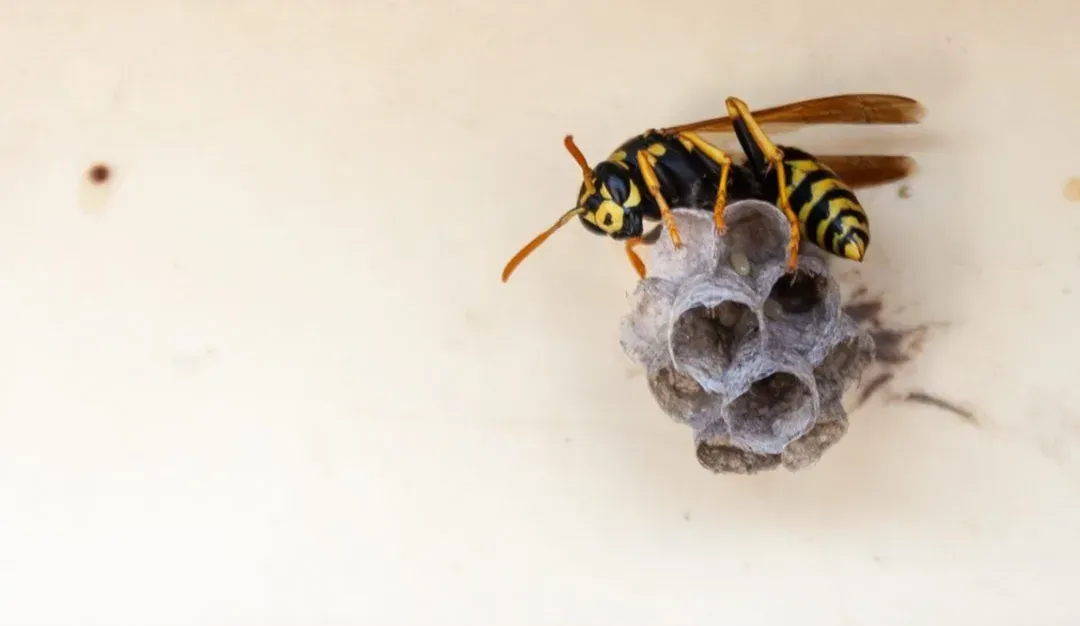
Yellowjackets, by contrast, are predatory wasps. They have hairless, slender bodies with vivid, glossy yellow and black patterns, narrow waists, and rapid, darting flight paths. Yellowjackets are notoriously aggressive, particularly in late summer when their natural food sources dwindle and their colonies reach peak numbers. While a bumblebee colony typically houses between 50 and 200 individuals, a mature underground yellowjacket nest can harbor thousands of aggressive defenders.
Both insects can sting to defend their home, but the defensive threshold of a bumblebee is much higher. A bumblebee will rarely sting while foraging among your flowers. However, when heavy footfalls or lawnmower blades vibrate the ground directly above their subterranean nest, guard bees will charge out of the hole to defend the queen and brood. Unlike honeybee workers whose barbed stingers pull free after a single sting, female bumblebees possess smooth stingers that allow them to sting repeatedly without dying.
Why Bumblebees Choose Underground Sites in Gilbertsville Yards
Bumblebees do not dig their own burrows from scratch. Instead, they are opportunists that seek out dark, well-insulated, pre-existing cavities. Properties in Gilbertsville and throughout Montgomery County offer ideal conditions for these subterranean nests due to our local landscape patterns and wildlife.
In southeastern Pennsylvania, yards often feature mature shade trees, stone borders, landscaped garden beds, and expansive lawns. These areas provide prime habitat for small mammals like meadow voles, field mice, and chipmunks. When these rodents abandon their underground tunnels or nesting chambers, they leave behind ready-made subterranean shelters lined with dried grass, leaves, and downy fur.
In late spring, solitary queen bumblebees emerge from their winter dormancy in local leaf litter and woodland margins. After feeding on early spring blooms to rebuild their energy, each queen flies low over the ground, searching for a suitable nesting cavity. An abandoned rodent burrow tucked under a lawn border, mulch bed, or stone wall provides excellent protection from rain, summer heat, and surface predators.
Once established, the queen constructs wax pots to store nectar and lays her first brood of worker bees. The heavy clay and loam soils common in our area help maintain a stable underground temperature, allowing the colony to develop through June and July. By midsummer, active flight traffic into a small hole in the grass reveals a thriving colony beneath your feet.

The Severe Hazards of DIY Removal Attempts
When homeowners discover bees emerging from the turf, their first instinct is often to reach for immediate household remedies. Unfortunately, conventional DIY methods for ground bee control are dangerous, ineffective, and environmentally destructive.
Pouring gallons of boiling water or a soapy water mixture down the hole rarely works as intended. Underground rodent burrows are not straight vertical pipes. They are winding, multi-chambered tunnel systems that can stretch several feet horizontally before reaching the actual brood comb. Liquids quickly absorb into the surrounding soil or pool in low bends, failing to reach the main cluster while instantly agitating hundreds of defensive bees straight to the surface.
Covering the entrance with a heavy rock, landscape fabric, or an inverted flower pot is another common mistake. Bumblebees are strong, determined insects. When their primary exit is blocked, they quickly excavate alternate escape routes through loose turf, or they emerge through secondary rodent tunnels several feet away. This leaves you with an agitated colony entering and exiting through multiple unpredictable spots across your lawn.
Even worse are extreme home remedies like pouring gasoline, kerosene, or harsh chemical concoctions into the ground. Doing this poisons the soil, kills beneficial earthworms and microbes, contaminates local groundwater, and creates a severe fire hazard. Standard retail aerosol wasp sprays sprayed into the hole entrance are equally unhelpful because the chemical fumes dissipate long before penetrating the underground nesting chamber, leaving the queen and brood intact while endangering curious pets.
Can You Leave the Colony Alone? A Decision Framework
Because bumblebees are valuable native pollinators whose broader populations face environmental pressure, the first question to ask is whether removal is truly required. Bumblebees are not structural pests. They will not chew into your foundation, destroy wood framing, or burrow into masonry.
A bumblebee colony is also strictly annual. Unlike honeybee hives that survive the winter by clustering together and consuming stored honey, a bumblebee colony dissolves entirely in the fall. When the first hard frosts arrive in Gilbertsville, usually in late October or early November, all worker bees, male drones, and the founding queen die naturally. Only newly mated young queens survive, dispersing to hibernate individually in nearby soil or leaf litter until the following spring. The abandoned nest structure disintegrates naturally into the soil and is never reoccupied by a new colony.
You can reasonably leave the nest alone if the entrance sits in a remote flowerbed, an untamed back corner of the yard, or behind an outbuilding where people and pets do not venture. In these low-risk spots, marking the area with a small flag or temporary garden barrier allows the bees to finish their seasonal life cycle in peace while pollinating your vegetables and flowers.
On the other hand, removal becomes necessary when the nest threatens family safety. If the burrow entrance is located within a few feet of a high-traffic walkway, patio steps, a children's play area, or a lawn section that requires weekly mowing, the risk of accidental disturbance is too high. It is also an urgent safety issue if anyone in your household has a known allergy to insect venom, or if you have dogs that actively dig at holes in the yard.
The Professional Process for Removing In-Ground Bumblebees
When removal is the only viable option, calling a specialist ensures the situation is handled safely and responsibly. Experienced professionals prioritize live extraction and relocation rather than indiscriminate extermination, preserving the colony whenever feasible.
The process begins with an on-site daylight inspection to confirm insect species, map out the burrow entry, and check for secondary exit tunnels. Technicians evaluate soil conditions, nearby obstacles like tree roots or irrigation lines, and the proximity of the nest to living areas.
The actual extraction work typically occurs during late evening, early morning, or under cool, low-light conditions. Bumblebees are diurnal insects with poor night vision. After dusk, all foraging workers return to the burrow, meaning the entire population is gathered inside and significantly calmer than during the midday heat.
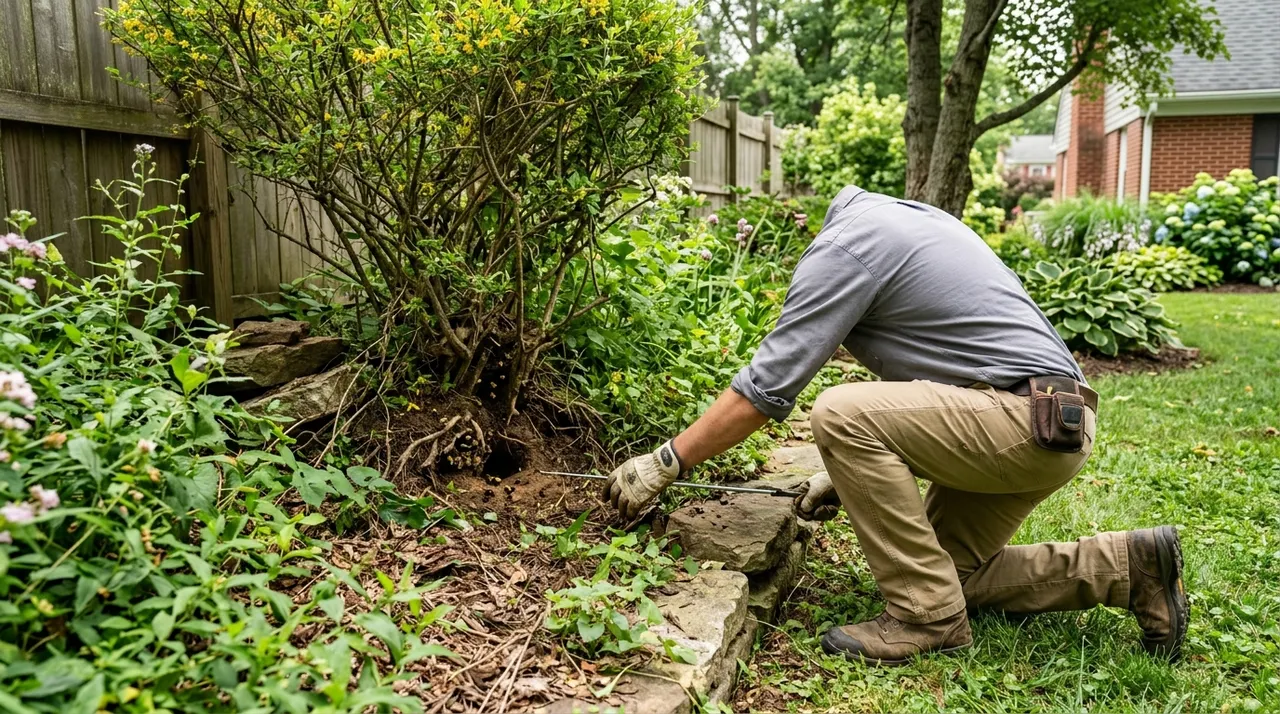
Wearing full-body sting protection suits with sealed veil hoods and heavy leather gloves, technicians approach the site using filtered red light, which bees cannot detect. In many situations, a gentle bee-safe vacuum system equipped with a specialized collection box captures flying sentries at the tunnel mouth. Once the perimeter is controlled, technicians carefully excavate the turf and topsoil layer by layer, following the burrow path until the nest chamber is uncovered.
The wax honey pots and developing brood cluster are extracted intact and placed into a transport box alongside the captured workers and queen. Opting for professional bumblebee removal in Gilbertsville protects your property from messy excavations and ensures the nest is eliminated safely.
After retrieval, the colony can be relocated to a suitable rural habitat or managed environment where the bees can finish their pollination work undisturbed. Coordinating with a reputable bee relocation service in Gilbertsville provides an environmentally sound outcome that protects your yard while supporting native biodiversity.
How Honeybee Rescue Company Approaches Ground Nests
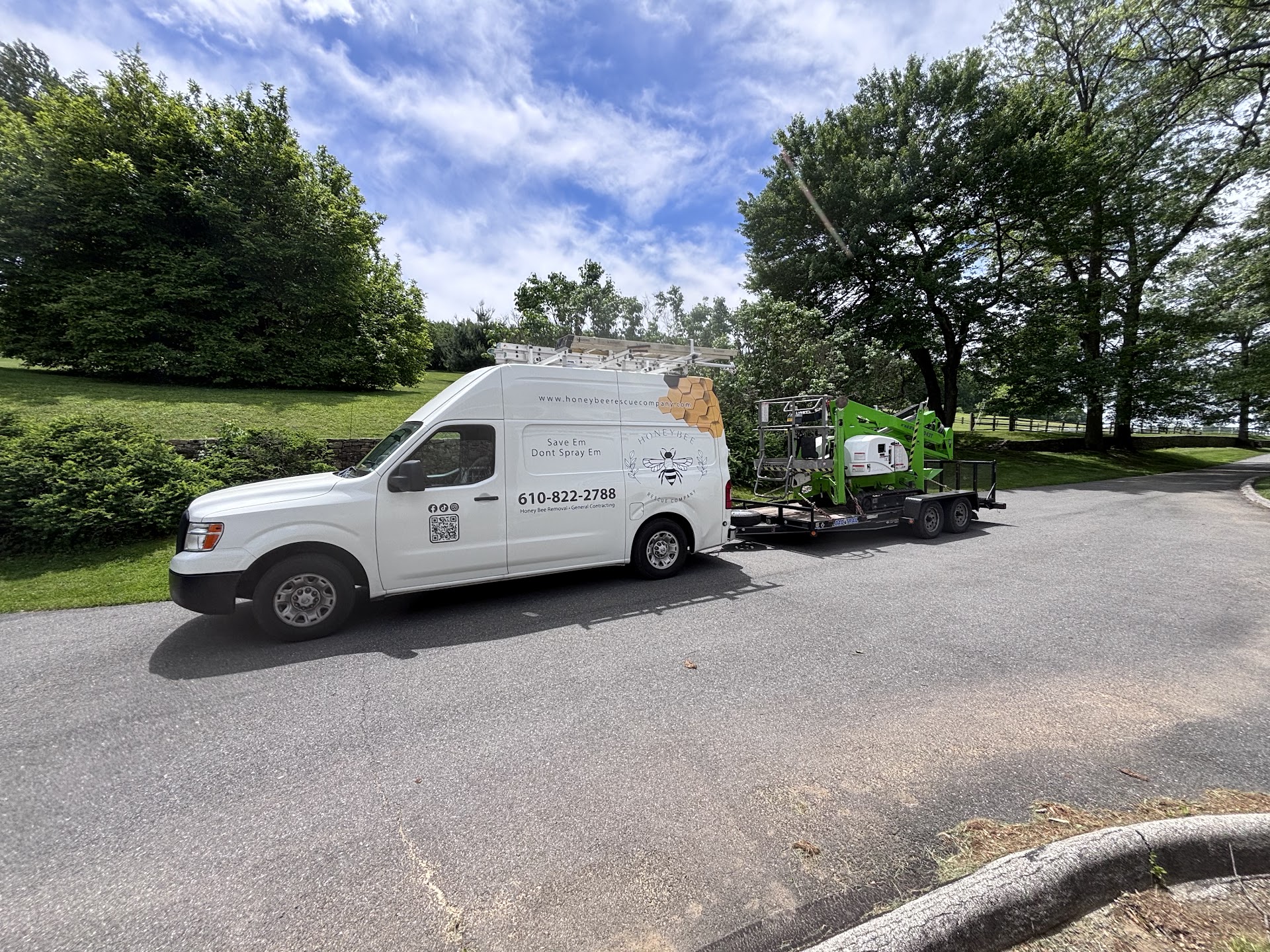
Our work at Honeybee Rescue Company is guided by deep beekeeping knowledge and a genuine respect for pollinating insects. Co-owned by Ty Kelius and Alyssa Kelius, our family-owned and operated business brings years of hands-on experience dealing with complex stinging insect situations across Montgomery County.
We are fully licensed and insured (registered under PA#105107), bonded, and hold credentials as a GreenPro Certified, QualityPro Certified, and Termidor Certified Professional company. Unlike standard pest control outfits that rely on immediate chemical broadcast spraying, we approach every job through an ecological lens. Stinging insects are an integral part of our local ecosystem, and our priority is always live relocation and humane conservation whenever site conditions allow.
When you contact us about an underground nest in your yard, we take the time to evaluate the exact location and determine whether a nest can be safely left alone, cordoned off, or cleanly relocated. If excavation and removal are required, we handle the extraction with care and precision, leaving your yard clean and your family secure.
Factors That Influence Ground Bee Removal Scope and Pricing
Because every residential property presents a unique layout, there is no one-size-fits-all cost for removing an in-ground bee nest. Professional pricing reflects the time, labor, and safety measures required to access and extract the colony safely.
The depth and complexity of the burrow play a major role in determining the job scope. A shallow nest in loose garden mulch takes considerably less labor to uncover than a burrow tucked beneath landscape boulders, tree root systems, or concrete patio edging. If structural hardscaping or roots obstruct access, excavation requires specialized hand tools to avoid property damage.
The time of year and colony size also impact the work. An early-season nest in May contains only a queen and a dozen small workers, making extraction fast and straightforward. By late August, that same colony may hold nearly two hundred bees with a sprawling underground comb, requiring extended vacuuming and careful sorting to capture the queen. Accessibility of the work area, travel time, and whether nighttime emergency service is required further influence the estimate. Because every situation is unique, having a professional inspect your property and provide an on-site estimate is the only reliable way to know your exact project cost.
Preventing Future Ground Nests in Your Gilbertsville Lawn
Once an underground nest is removed, taking preventative steps will keep other queens from claiming the same spot in future seasons. While you cannot stop wild bees from flying across your yard, you can make your turf and landscape beds much less attractive for nesting.
The most effective deterrent is eliminating pre-existing animal burrows. In late autumn and early spring, inspect your yard along fence lines, stone retaining walls, garden borders, and under sheds for abandoned rodent holes. Pack these openings firmly with dense topsoil, coarse crushed gravel, or clay. Without an existing cavity, queen bumblebees will bypass your lawn in search of better shelter elsewhere.
Maintaining thick, vigorous turf grass also prevents ground-nesting activity. Bumblebees prefer sparse, patchy lawns where exposed dirt makes finding burrows easy. Regular overseeding, core aeration, and proper fertilizing create a dense root mat that discourages both burrowing rodents and exploring bees. In garden beds, turn over thick wood mulch in early spring to disturb potential nesting cavities before queens begin their search.
Protect Your Gilbertsville Yard with Expert Bee Removal
Discovering an active bee colony beneath your lawn does not have to cause panic, but it does require careful, educated handling. Attempting DIY flooding or spraying rarely solves the issue and often results in painful stings for you or your pets. Let experienced professionals handle the excavation, safety protocols, and live relocation so you can enjoy your outdoor space with peace of mind. If you suspect an in-ground bumblebee nest on your Gilbertsville property, contact Honeybee Rescue Company today through our online form to schedule an on-site inspection and quote.
Common Questions
Frequently Asked Questions
Ready To Start?
Get Your Quote Today
Get a quote from Honeybee Rescue Company — serving Gilbertsville and surrounding areas.