Preventing Bee Re-infestation and Structural Damage in Gilbertsville Homes
Ensure your home stays bee-free with professional extraction, odor neutralization, and quality structural repairs.
The Short Answer
Yes, bees will often return to the exact same spot after honeycomb removal if the entry points are not structurally sealed and residual pheromones remain. Honeybee scouts can detect the scent of old wax and pheromones from great distances. Preventing their return requires complete comb extraction, thorough odor elimination, and professional physical exclusion to seal every gap.
Homeowners across Montgomery County frequently encounter sudden bee activity along their rooflines, siding, and soffits as temperatures warm up in the spring. In areas like Gilbertsville, PA, where beautiful older homes feature traditional wood framing and mixed siding, a tiny gap can quickly become a gateway for an entire colony. When a swarm sets up camp inside a wall cavity, simply spraying the exterior or knocking down visible comb does little to solve the long-term threat to your property's structure.
To protect your home from recurring infestations and expensive wood rot, you must understand how these insects select their nesting sites. It is never as simple as removing the active insects and calling the job finished. Without a complete extraction and repair process, you leave your home vulnerable to repeated invasions year after year.
Why Bees are Chemically Programmed to Find Old Hives
If you have ever wondered why swarms seem drawn to the exact same spot on your house, the answer lies in their highly developed chemical communication systems. Honeybee scouts do not fly around randomly hoping to find a hollow space. They hunt for specific structural cavities that meet their strict criteria for volume, height, and safety. More importantly, they seek out the chemical signatures left behind by previous colonies.
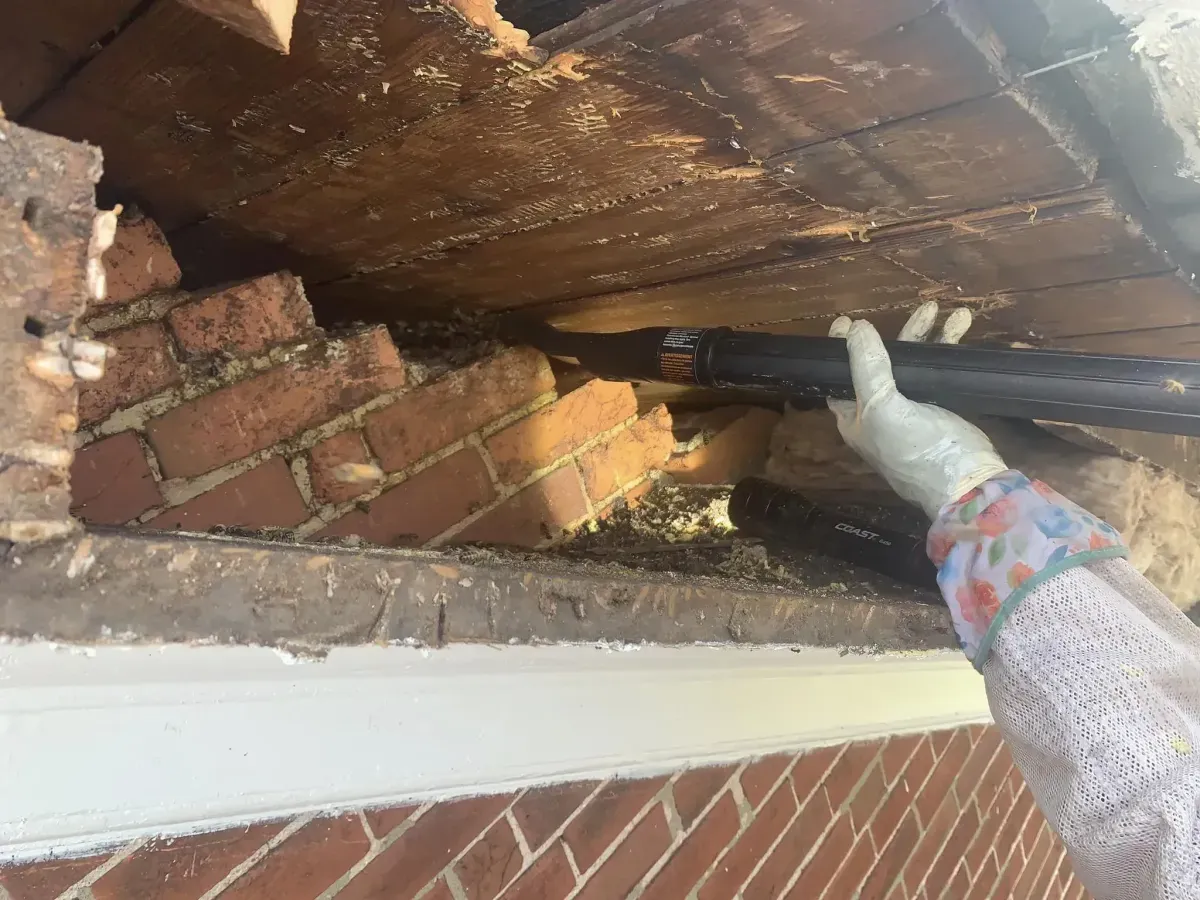
When a colony occupies a space, they coat the interior walls with propolis, a sticky tree resin, and construct wax combs. These materials are heavily saturated with pheromones, which act as biological markers. Long after the original bees have left or been removed, these scent markers remain deeply embedded in the porous wood framing of your home. To a scout bee searching for a new home, this scent is an undeniable signal that the cavity is dry, safe, and highly suitable for survival.
This chemical attraction is incredibly persistent. Exterior elements like rain and wind cannot wash away the pheromones trapped inside a wall cavity. Even if you block the immediate entrance hole with standard exterior caulk, scouts will detect the scent from dozens of yards away and search for secondary gaps, loose siding joints, or soffit vents to bypass your barrier. According to the Pennsylvania State Beekeepers Association, honeybees have an olfactory system that is far more sensitive than most other insects, allowing them to track these residual odors with absolute precision. This is why complete removal of all physical hive components is a critical step in breaking the cycle of re-infestation.
The Hidden Dangers of Leaving Honeycomb in Your Walls
Leaving an abandoned honeycomb inside your walls is a recipe for major structural issues. While the colony is active, the bees act as a living climate-control system. They fan their wings to keep the hive cool during humid Gilbertsville summers and use cluster heat to protect the wax in the winter. Once the bees are gone, this climate-control system disappears, and the structural integrity of the honeycomb begins to fail almost immediately.
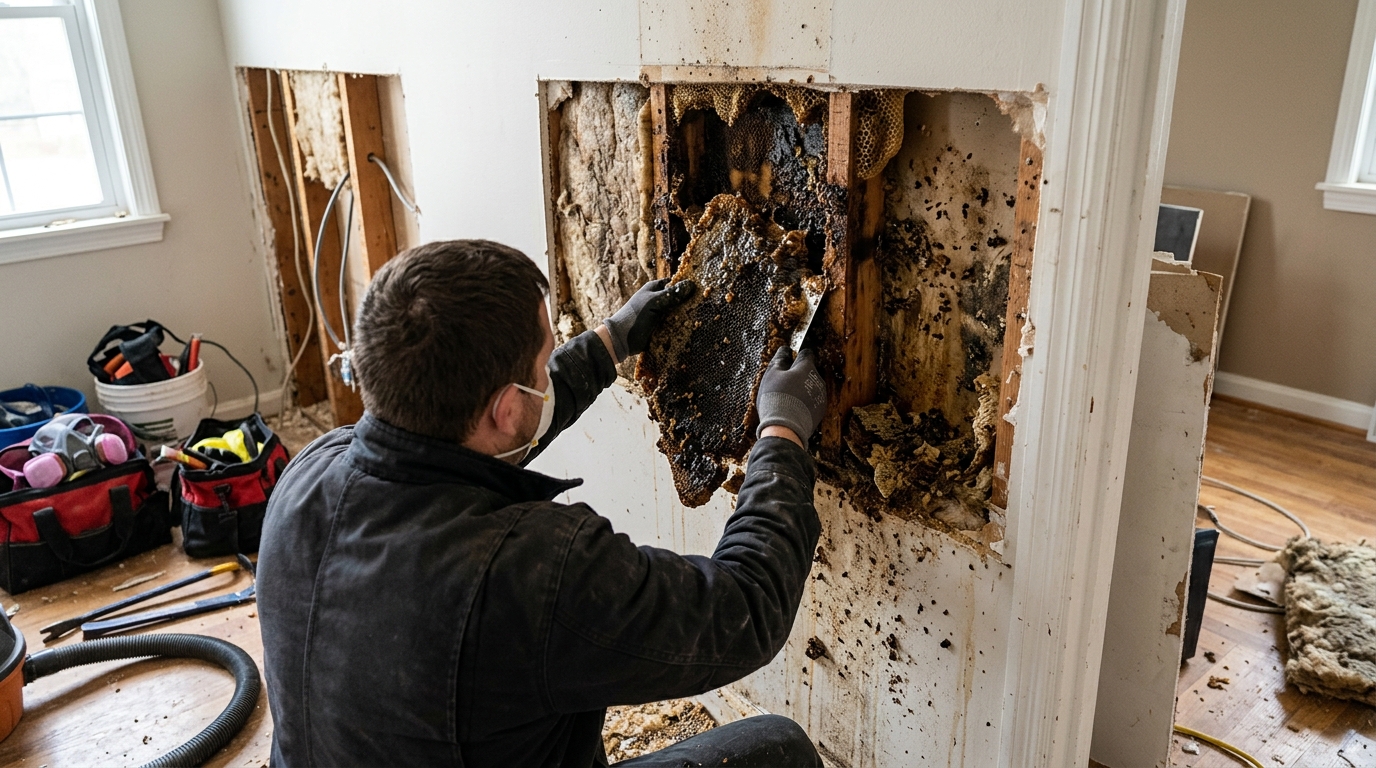
During our hot Pennsylvania summers, temperatures inside attic spaces and wall cavities can easily exceed one hundred degrees. Without the cooling fans of a live hive, the wax combs soften and melt. Gallons of uncapped honey then release and seep downward through your insulation, drywall, plaster, and framing. This sweet, sticky liquid does not stay localized. It travels along structural studs, staining your interior ceilings and walls with unsightly dark patches and ruining costly paint or wallpaper.
Beyond the cosmetic damage, dripping honey acts as a sponge for moisture, creating the perfect environment for wood rot and structural decay. It is also a food source that attracts secondary pests. Once the honey begins to ferment, it produces a strong odor that draws mice, rats, ants, cockroaches, and wax moths directly into your walls. These pests will chew through wiring and insulation to reach the sugar source, compounding your repair costs. Performing a complete Honeycomb Removal Gilbertsville service is essential to protect your home from these cascading structural failures.
The Step-by-Step Process of Proper Honeycomb Extraction
We approach bee extraction with a strict, methodical process designed to minimize damage to your property while ensuring every trace of the hive is eliminated. We do not support the practice of drilling random holes in your walls hoping to locate the hive. Instead, our team uses professional diagnostic tools to pinpoint the exact boundaries of the nest behind your drywall or siding before we ever pull out a tool.
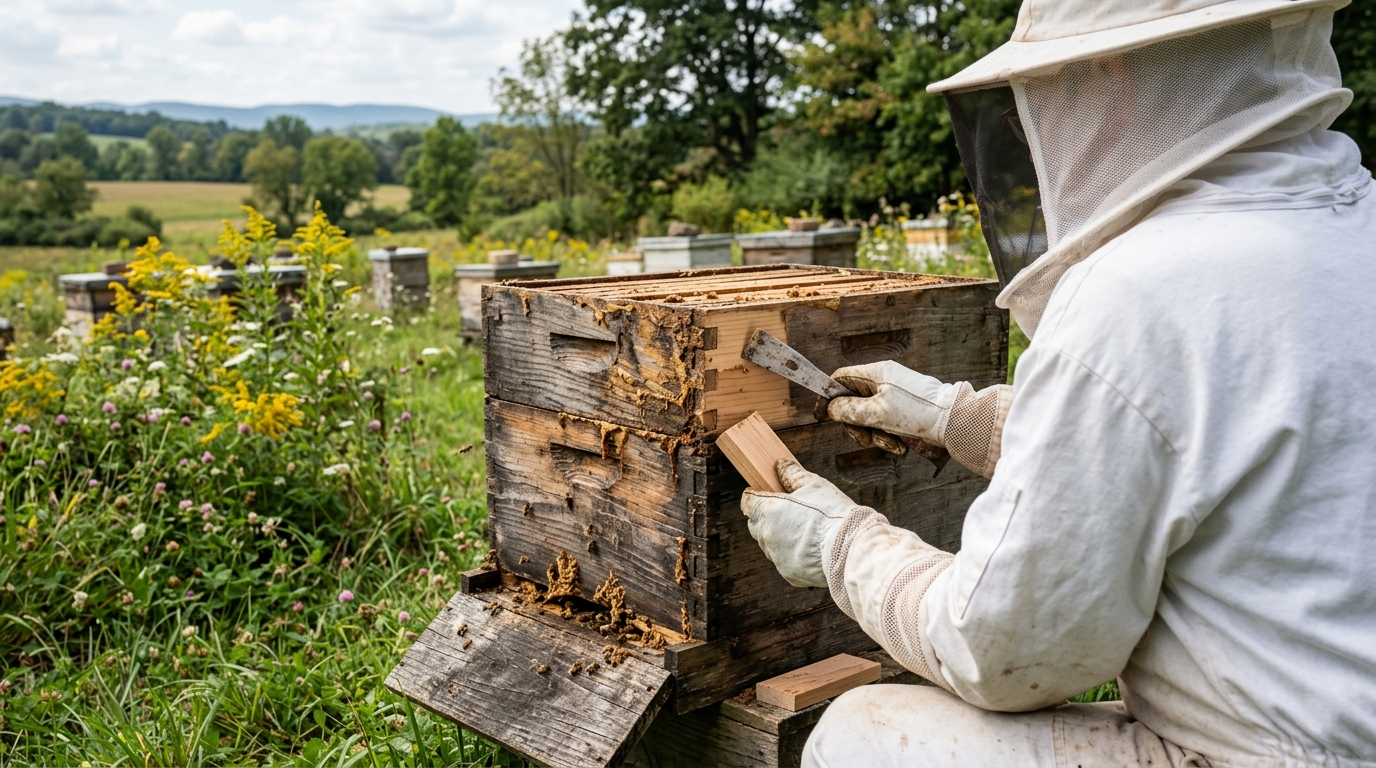
Once we have mapped the colony, we plan our entry point to minimize structural disruption. We carefully remove the necessary section of siding, brick mold, or drywall to expose the active hive. Our primary goal is always live bee relocation, and we use specialized capture equipment to safely capture the queen and her workers without harming them. The captured bees are safely placed into transport hives so they can be relocated to managed apiaries where they can continue their vital pollination work.
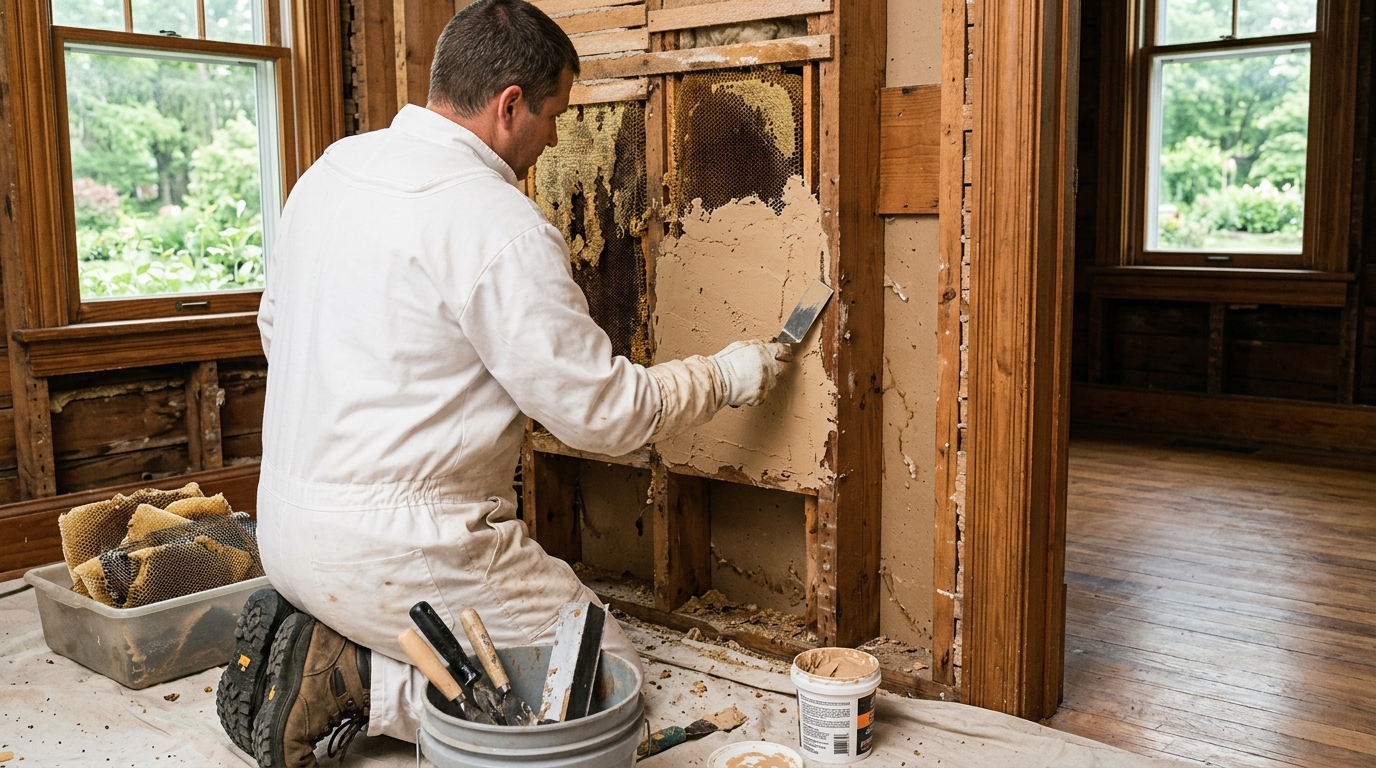
With the bees safely out of the way, we begin the physical removal of the comb. Every single ounce of wax, honey, and brood must be manually scraped from the stud bays. We do not leave small scraps behind, as even a piece of wax the size of a coin contains enough pheromones to attract future swarms. After scraping the wood down to its bare fibers, we wash the entire cavity with professional-grade cleaning solutions. These specialized solutions break down the complex organic proteins and scent molecules of the bee pheromones, effectively erasing your home's chemical address from the bee database.
Repairing the Structural Damage in Montgomery County Homes
Once the space is completely clean and deodorized, the structural openings must be reconstructed. Many homeowners do not realize that honeybee removal is only half the job. Rebuilding the wall correctly is what prevents future structural issues and blocks pests from entering. Our dedicated Repair & Restoration Gilbertsville team step in to restore your home back to its original condition, handling everything from structural framing to drywall finishing and siding replacement.
We begin by inspecting the exposed studs for any signs of honey saturation or wood rot. If the structural integrity of the wood has been compromised by prolonged exposure to fermenting honey, we sister new joists or replace the damaged framing altogether. Next, we replace any honey-soaked fiberglass or cellulose insulation, which must be completely discarded as it cannot be cleaned. We then install high-efficiency insulation to restore your home's thermal barrier and prevent energy loss.
Under the Pennsylvania Uniform Construction Code, structural alterations and repairs must comply with strict building standards to ensure safety — though requirements vary by municipality, so confirm with your local building department before relying on this. In Douglass Township, repairs to exterior envelopes and structural components may require specific inspections to verify code compliance — though requirements vary by municipality, so confirm with your local building department. Our experienced repair team ensures that every patch, header, and siding run is rebuilt to professional standards, leaving your home as strong and weather-tight as it was before the infestation occurred.
Why Traditional Pest Control Methods Often Fail
Many homeowners who find bees in their walls initially call a standard pest control company. While traditional pest control is effective for ants or spiders, treating a honeybee infestation with standard insecticidal sprays often creates far worse problems than it solves. When an applicator sprays a pesticide into a wall void, they might kill the active bees, but they leave the entire physical structure of the hive completely intact.
A dead hive is a ticking time bomb inside your walls. Without the living bees to maintain and protect the hive, the honey and wax will quickly decay, leading to the melting and rot described earlier. Over time, the massive pile of dead bees inside the wall void will rot, creating a terrible odor that can persist for months and attract flesh-flying flies and carpet beetles. The residual pesticide also makes the honey toxic, preventing any professional relocation efforts and creating a chemical hazard inside your home's structural framing.
To make matters worse, pesticides do not eliminate the pheromones. Once the chemical spray breaks down over a few months, the scent of the wax and honey will still be detectable to passing swarms. The following spring, a new colony of bees will gladly move right into the pre-made nesting site, completely unaffected by the old, degraded insecticide. This is why professional live extraction and structural reconstruction are effective paths toward a long-term solution.
Practical Exclusion Tactics to Keep Scouts Away
True protection against bee re-infestation requires proactive exclusion work. Once we have cleared the hive and completed the necessary structural repairs, we install high-grade physical barriers to seal off any potential entry points around your home's exterior. Honeybees can fit through gaps as small as one-quarter of an inch, meaning even minor cracks in your siding or gaps in your trim must be sealed.
We use heavy-duty materials that insects and rodents cannot chew through. Rather than relying solely on standard expanding foam, which degrades under UV light and can be easily tunneled through, we use professional materials such as stainless steel mesh, copper stuff-fit wire, and premium elastomeric sealants. These materials expand and contract with the changing Pennsylvania seasons, ensuring a tight seal even during freezing winters and humid summers.
We pay special attention to common problem areas such as soffit vents, roof intersections, chimney flashing, and utility line penetrations. If your home features brick veneer, we install specialized weep-hole covers that allow moisture to escape while blocking bees from accessing the wall cavity behind the brick. By securing these vulnerable areas, we eliminate the physical paths that scout bees use to find their way inside.
Work with a Licensed Local Partner in Gilbertsville
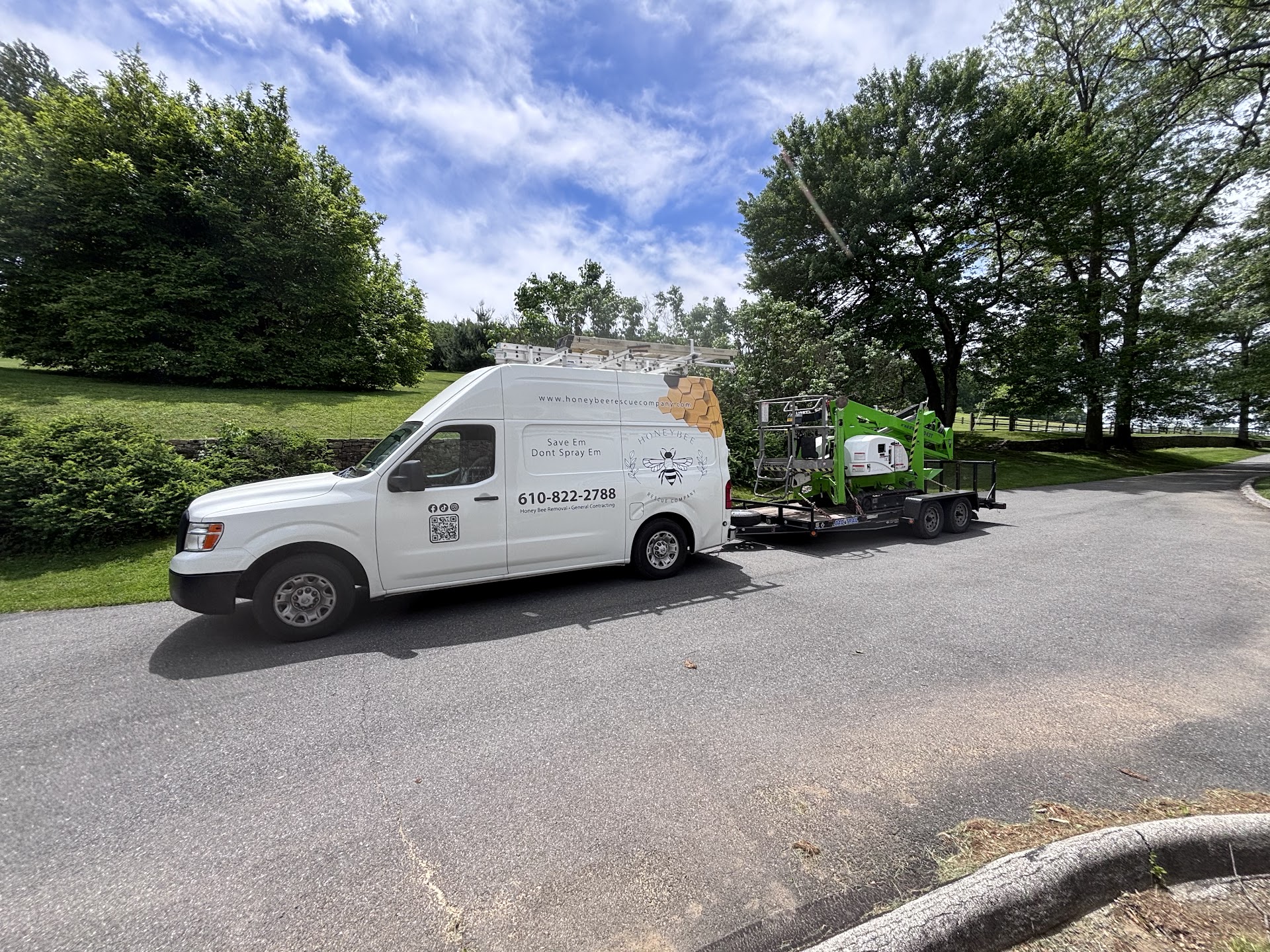
Our team at Honeybee Rescue Company helps protect local properties across Montgomery County from the damage caused by honeybees, yellow jackets, and other stinging insects. Our family-owned and operated company is dedicated to providing responsible live bee relocation and complete structural repairs. We believe in doing the job right the first time, ensuring that your home is safe, clean, and structurally secure.
We are fully licensed, insured, and bonded for your peace of mind. This technical expertise allows us to handle both the biological complexities of live bee handling and the structural demands of complete home restoration.
If you suspect you have a honeybee nest in your walls or roofline, do not wait for the summer heat to cause costly honey damage. Contact us today to schedule an inspection. Contact us to schedule a detailed, on-site assessment to provide you with an accurate, thorough plan of action designed for your home's specific needs. Let us help you protect your investment and help protect your Gilbertsville home from future infestations.
Common Questions
Frequently Asked Questions
Ready To Start?
Get Your Quote Today
Get a quote from Honeybee Rescue Company — serving Gilbertsville and surrounding areas.