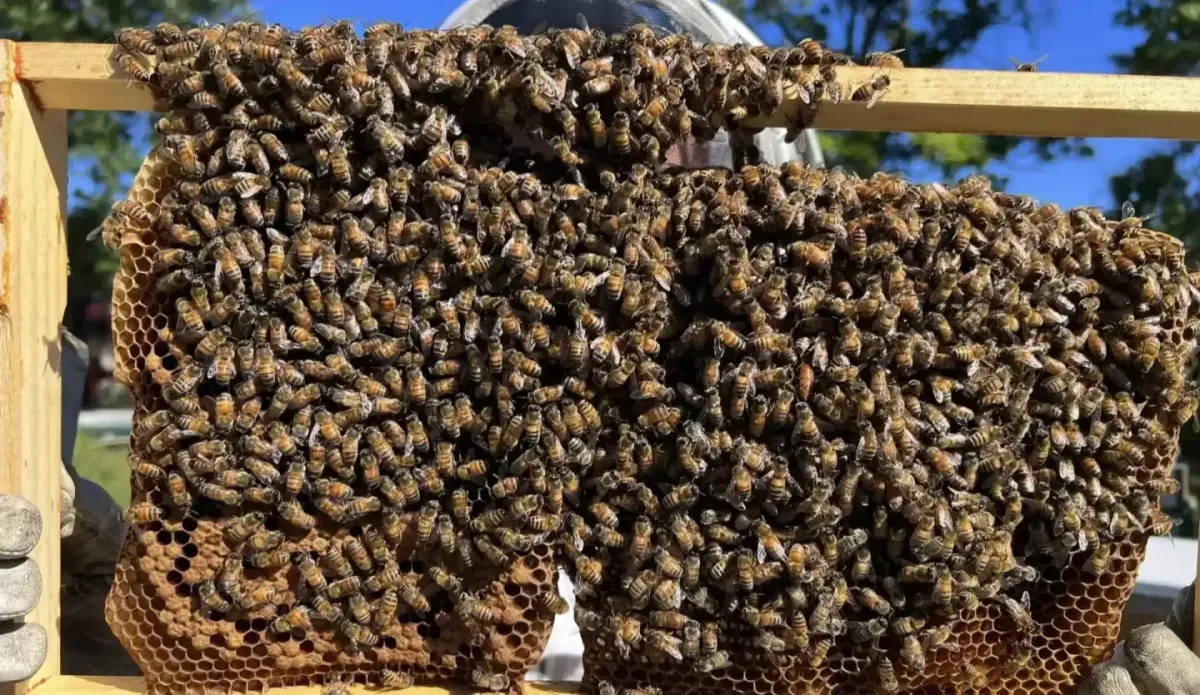
Bumblebee Removal in Reading, PA
We make the short drive from Gilbertsville to safely relocate bumblebee colonies from Reading yards and structures.



Bumblebee Colony Extractions
When you require professional bumblebee removal in Reading, PA, you need someone who can pull the nest out cleanly without dousing your property in chemicals. Whether you spot insect traffic near your front steps in Centre Park or discover bees buzzing under your deck by Mount Penn, an active nest puts pets and children at risk. Our team travels from Gilbertsville, an easy 17-mile drive west on US-422, to inspect the problem and extract the colony alive.
Why Bumblebees Nest Around Reading Homes
Bumblebee queens wake up in early spring searching for sheltered cavities near the ground. They frequently take over old rodent holes in sloped flowerbeds, settle beneath porch framing, or crawl into exterior wall insulation. Because they fly back and forth low to the grass, you might not notice them until you run the lawnmower right over their entry hole. Disturbing the nest triggers defensive stinging, and unlike honeybees, individual bumblebees can sting multiple times. To see how we protect local structures, check out our bee relocation service in Reading page for details on our extraction methods.
Responsible Live Relocation
We treat native bees with care because they pollinate local crops and gardens across Berks County. Bumblebees are essential buzz pollinators for regional fruit crops and home gardens. Exterminators simply spray poison into the hole, leaving wax, dead bees, and unhatched brood to rot beneath your porch. We take the time to open the cavity, extract the full nest cluster, and pack the insects into travel boxes. We hold contractor license PA#105107, which gives us the skills to open wooden skirt boards or drywall neatly and patch the opening once the bees are out. You can learn about our home base operations on our bumblebee removal in Gilbertsville, PA page.
Our On-Site Visit Process
We provide paid on-site estimates so we can examine the nest position in person before quoting the job. Ty Kelius and Alyssa Kelius assess the depth of the burrow, evaluate structural access, and give you an exact price. After we gather the colony, we transport the bees back to our apiary yards to thrive away from busy residential yards. We also seal the gap so future queens don't take up residence in the same spot next season.
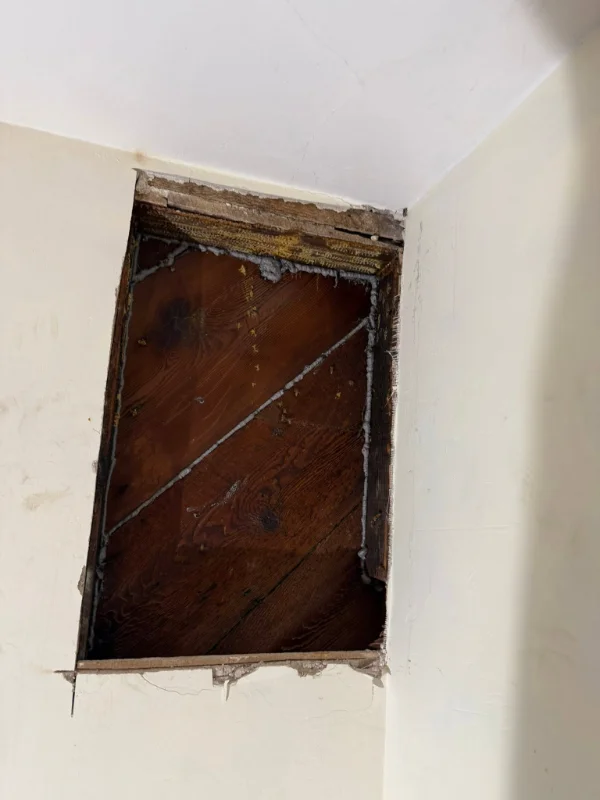
Warning Signs
Signs You Have an Active Bumblebee Nest
Large fuzzy bees repeatedly entering and exiting a hole in your lawn or mulch indicates an underground colony.
A steady hum under patio decking or wooden porch steps often points to a growing nest pocket.
Tufts of wall insulation pulled into clusters near foundation vents usually mean a queen is nesting inside.
How It Compares
Professional Live Relocation vs Store Sprays
Live Nest Removal
- Removes the entire brood nest and wax pots
- Protects beneficial native pollinator populations
- Keeps yard soil free of persistent poisons
- Includes sealing entry gaps to prevent return
Store Sprays
- Often misses deep underground nest chambers
- Enrages the colony, raising immediate sting risk
- Leaves decaying brood inside your home walls
- Requires repeated dangerous applications
Physical nest removal ends the sting hazard completely while preserving native insects in managed apiaries.
Service Options
Nesting Spots We Encounter in Berks County
Underground Burrow Nests
Queens readily adopt abandoned rodent runs in open turf or garden beds, hiding colonies several inches beneath the surface.
Porch and Crawl Space Cavities
Dark, undisturbed areas beneath historic home porches provide warm shelter that allows colonies to expand until frost.
Shed and Outbuilding Floors
Spaces between dirt floors and timber foundations offer easy access points where bumblebees can build without being seen.
Common Questions
Frequently Asked Questions
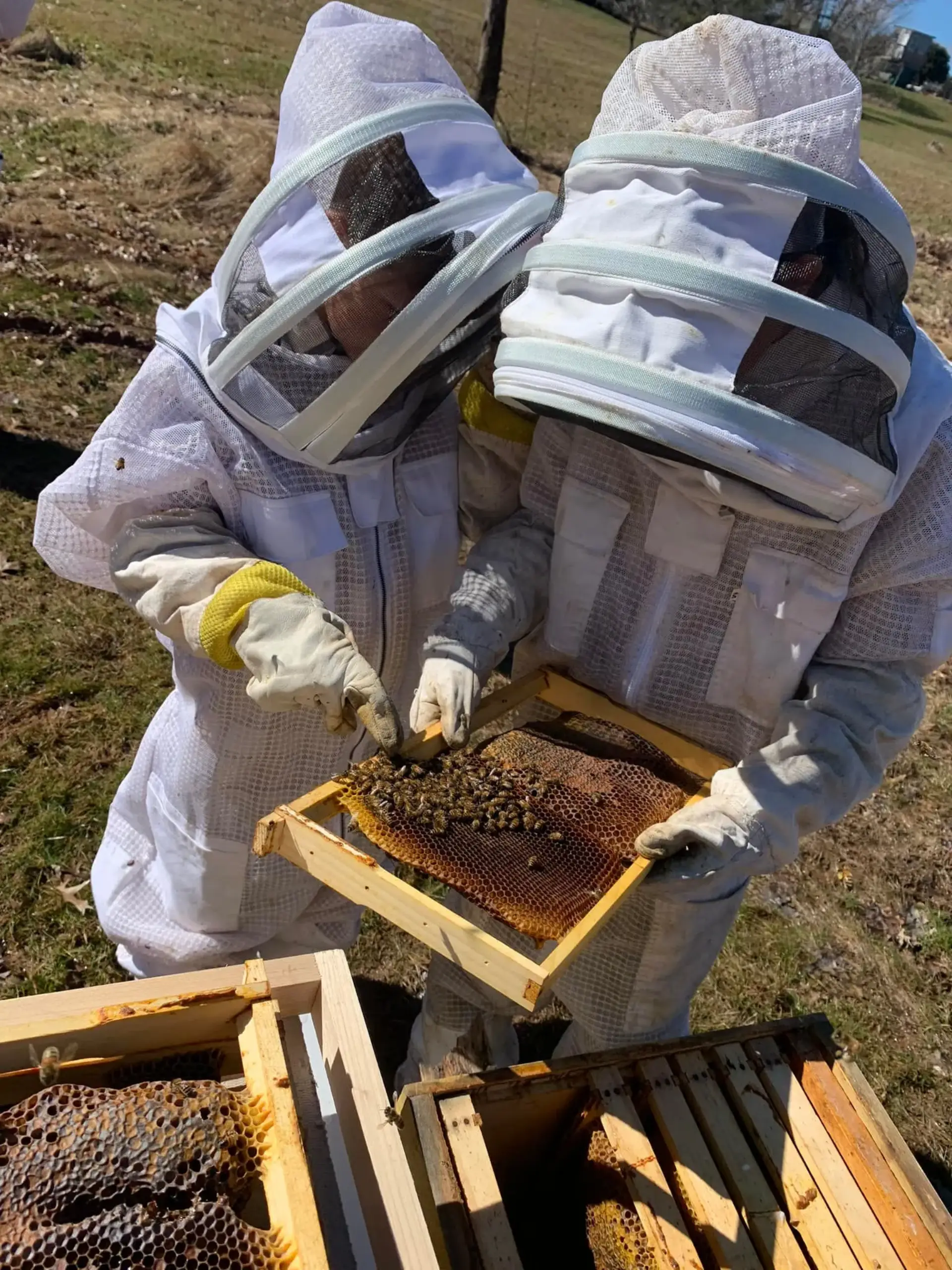
We are based in Gilbertsville and serve Reading and the surrounding area.
Our Services in Reading→